



The German Network for Bioinformatics Infrastructure (de.NBI) cloud site Tübingen has successfully met the latest ISO 27001:2022 certification. This means that the data center is fully compliant with both EU GDPR and international data security standards.
The process included customisation of the FishOS cloud platform, which serves as the de.NBI Cloud Tübingen’s workload management software. Executed independently by the de.NBI cloud team in Tübingen, this procedure demonstrated the software’s ability to adapt to various environments and comply with the ISO 27001 requirements.
Why ISO 27001 Certification Matters
ISO 27001 is the globally recognised benchmark for creating, implementing, and maintaining information security management systems (ISMS). It gives organisations a structured framework to secure digital, cloud-based, and physical data. As digitalisation grows, along with the number of cyber threats, standards like ISO 27001 are essential for data centres and hosting providers. Specifically, they demonstrate organisation’s capability to handle and safeguard sensitive data.
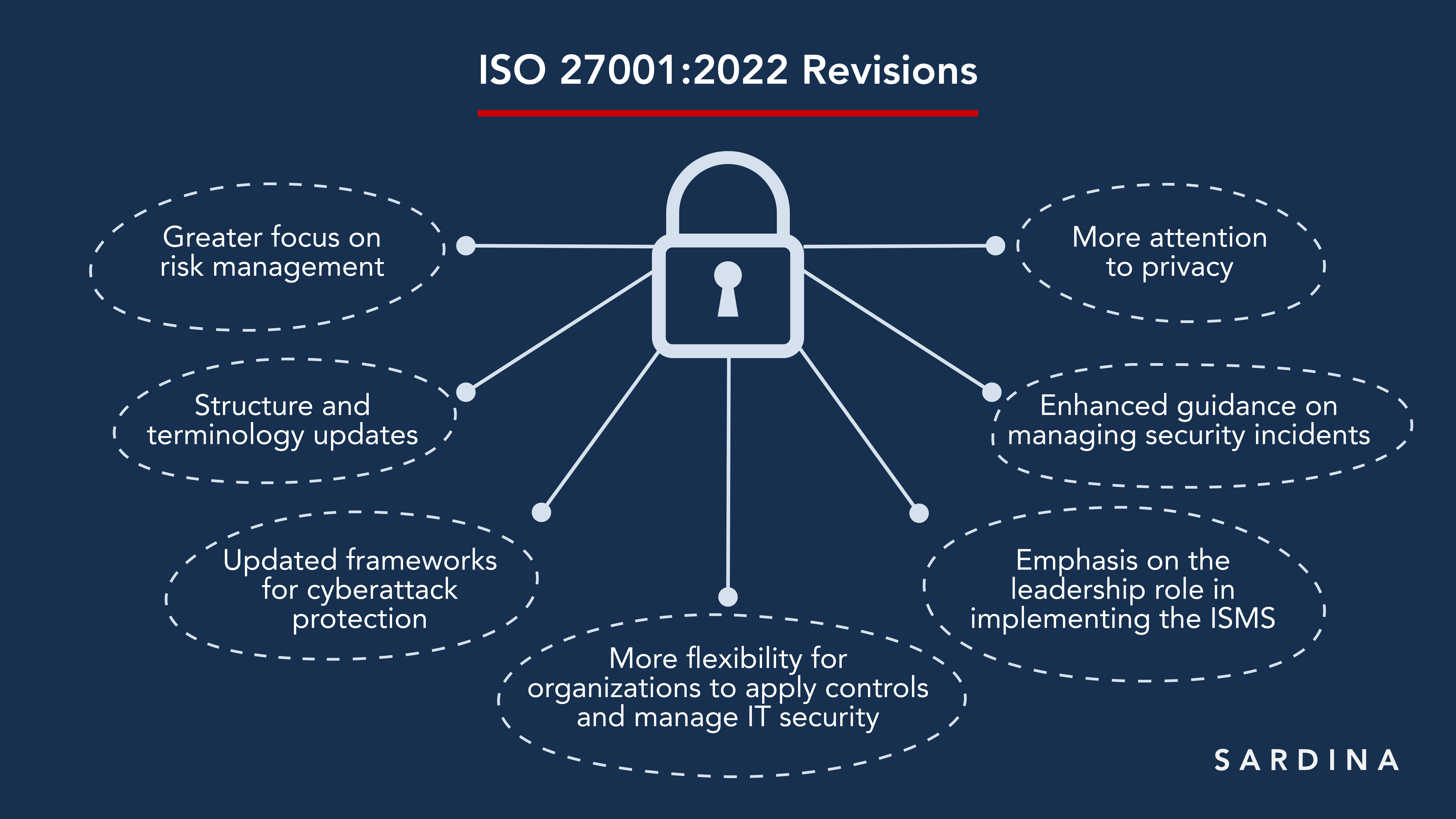
The latest 2022 version introduces a more process-oriented approach. Specifically, it requires the alignment of enterprise’s operations with the new regulatory frameworks. While it is more complex, this new set of rules incentivises organisations to take a more proactive approach to information security. Therefore, compliance with ISO 27001:2022 shows that an organisation like the University of Tübingen is committed to protect user data and reduce vulnerabilities.
The Role of FishOS in ISO 27001 Certification
For multiple years, the de.NBI Cloud Tübingen has been using the FishOS cloud platform to manage infrastructure, supporting research and development of next-gen applications. As such, FishOS facilitated the establishment of operational policies and procedures forming the actual ISMS.
As part of the ISO 27001:2022 certification, the de.NBI team needed to customize the FishOS platform to ensure it meets the new requirements. These adjustments included:
- Configuring authentication systems to ensure secure access to cloud resources on an as needed basis
- Enhanced network, data and system security on a granular basis
- Implementing physical access controls to safeguard servers and critical infrastructure.
The automation features, flexibility, and operational simplicity of the FishOS platform allowed to execute the entire process independently. This showcases the platform’s adaptability and ease of use.
Here is what Dr. Jens Krüger, Group Leader High Performance and Cloud Computing at the University of Tübingen, shares:
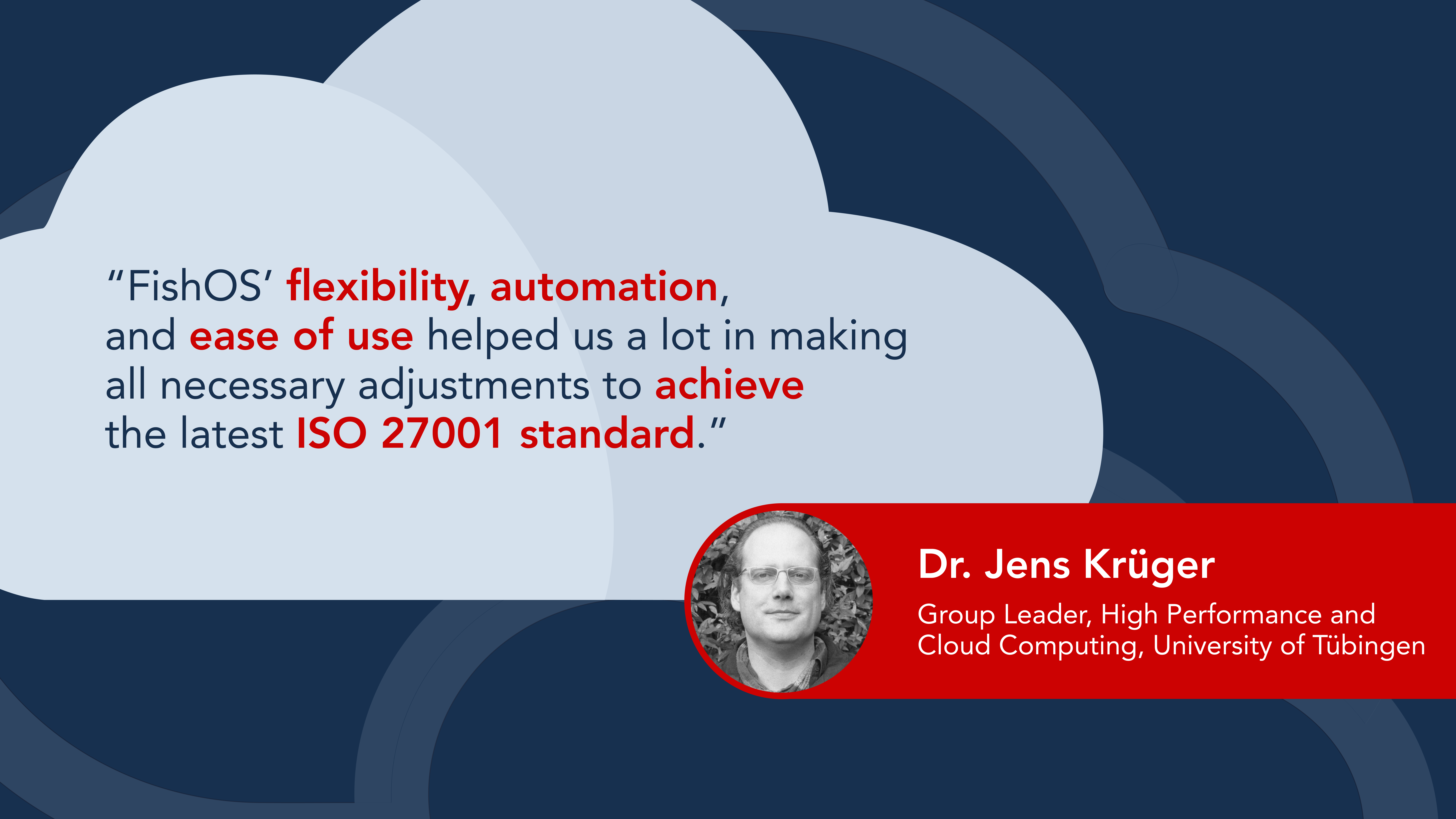
“A reliable and stable OpenStack is important for providing a resilient processing environment for academic researchers. Sardina Systems’ FishOS platform provided us with this. Its flexibility, automation, and ease of use helped us a lot in making all necessary adjustments to achieve the latest ISO 27001 standard.”
The Value of de.NBI Cloud for the Germany’s Research Community
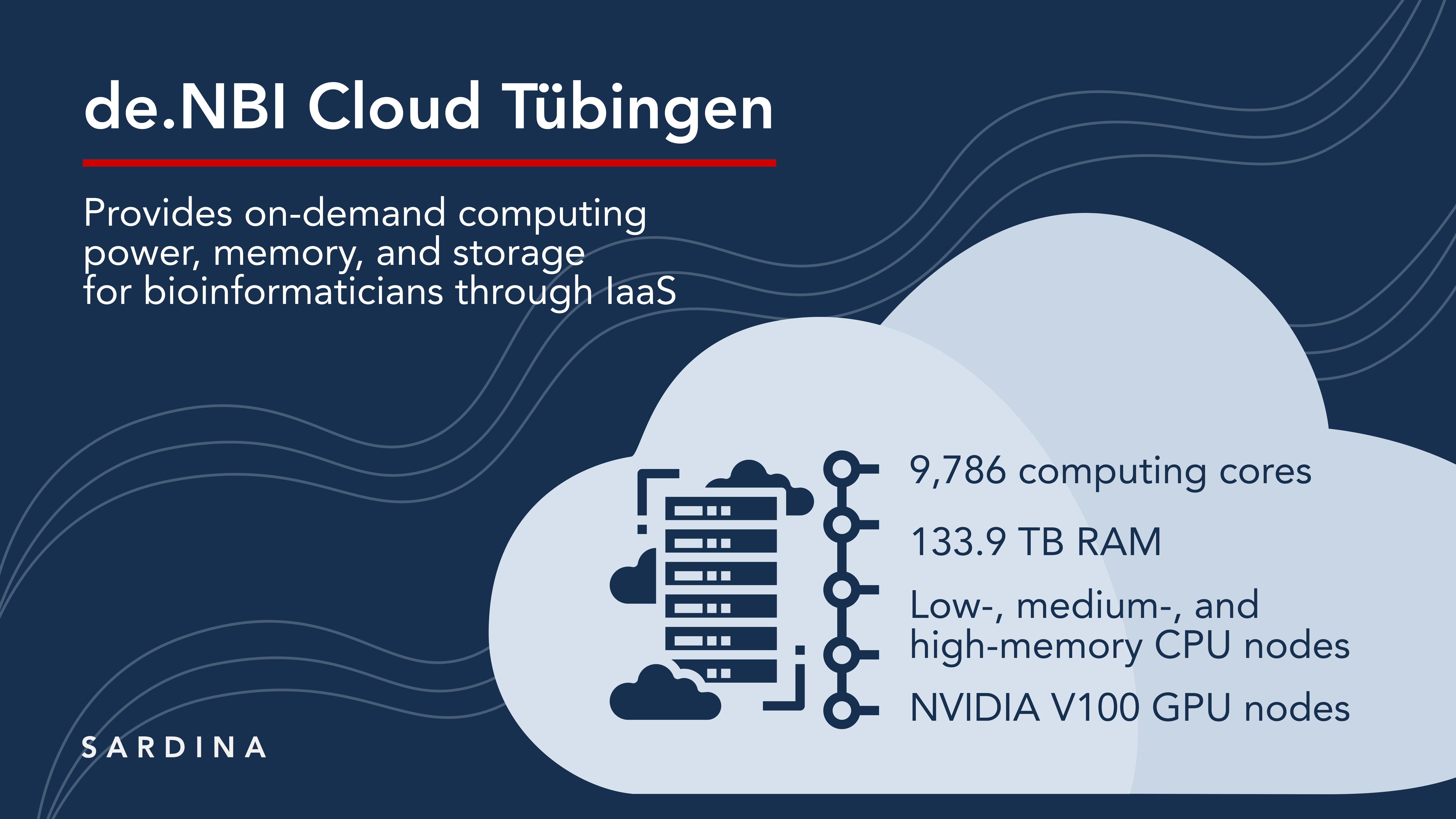
Launched in 2015, the de.NBI Cloud plays an important role in the field of life sciences in Germany. It provides the bioinformatics research community with advanced tools, cloud computing capabilities, and training. As a result, an ecosystem evolved for multiple research initiatives and innovations to be developed in genome sequencing, computational biology, or imaging data analysis and others.
Achieving ISO 27001:2022 certification further strengthens the reputation of the de.NBI Cloud in the scientific community. The certification guarantees that sensitive research data remains secure. As the world and governments pay more attention to data resilience, the importance of such certifications grows further.
Cloud Challenges in the Certification Process
Cloud platforms are an intrinsic part of day-to-day operations for enterprises as well as for academic research. By simplifying infrastructure management and automating processes, they largely contribute to professional success. Similarly, they play an important role in helping organisations to meet regulatory demands and compliance standards.
Each certification process requires adapting systems to address specific requirements. For instance, adding new security features or updating firewalls. It means that success depends on having a platform that is flexible and can be easily customised without adding complexity. Otherwise, certifications can turn into resource-intensive challenges.
The case with de.NBI’s ISO 27001 certification highlights some of the FishOS platform’s key strengths. These include in particular high flexibility and adaptability. In addition, its automation features and user-friendliness allowed the de.NBI Cloud Tübingen team to manage the process independently, without technical issues or external support from Sardina Systems’ side.

Anna Korotkova, Product Manager at Sardina Systems, notes: “We are proud to have provided a product that streamlines the certification process, particularly in software configuration and setup. The growing complexity of IT infrastructures and the fast pace of the modern business demands software solutions that can work efficiently while not adding to the workload.”
Powered by OpenStack, Kubernetes, and Ceph, Sardina Systems’ award-winning FishOS offers unique components, including AI-driven Workload Manager. Furthermore, it supports cutting-edge technologies like GPUs, DPUs, and AI processors. These features make FishOS an efficient solution for everybodyworking with research and big data.
Conclusion
The de.NBI Cloud Tübingen latest ISO 27001:2022 certification demonstrates the critical role of adaptable and flexible cloud management software in meeting modern compliance requirements. In addition, this achievement highlights de.NBI’s dedication to upholding global standards and advancing the quality of modern research.